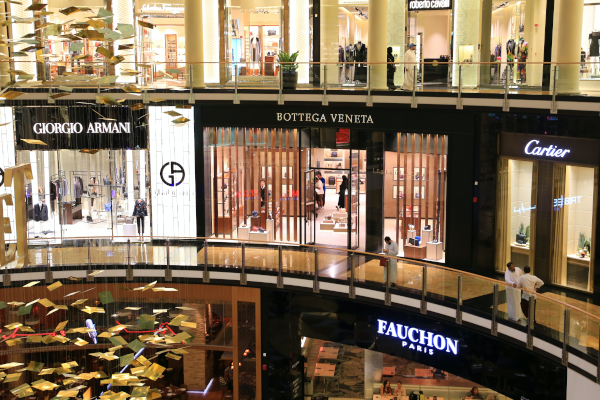


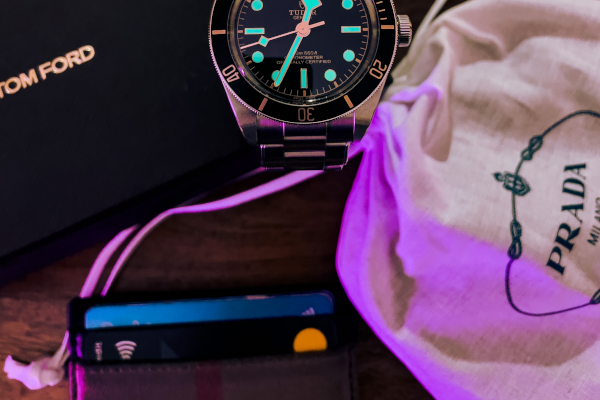
In 2021, worldwide sales in the luxury goods industry reached $1.3 trillion – an increase of 15% on 2020’s figures. Considering the global pandemic hit a lot of people in the pocket, those numbers are impressive.
But what are the conditions that led to this growth? What are luxury brands doing right? And what trends can we expect to see in the coming years?
Read on for 5 reasons the luxury goods industry is booming. And remember, if you have a car, watch, boat or another luxury item you’d like to raise funds against, Almagrove has 30 years of experience in the industry. Contact us to find out more.
The rise in online shopping
For much of this century, many of the leading players in the luxury industry — high-end fashion, jewellery and watch-making brands — refused to sell online, instead relying on their own bricks-and-mortar stores and third-party retailers. The reasons? They were worried their online service wouldn’t deliver the same ‘premium’ look and feel that customers experience in the real world. They also lacked the expertise to deliver cutting-edge e-commerce services.
That looked to be changing in recent years as brands were investing more in digital marketing. But 2020 and the Covid-19 pandemic proved a tipping point and there’s since been a boom in luxury e-commerce.

Sophisticated marketing
Luxury brands are becoming increasingly effective at marketing to their consumers — particularly through social media. Chanel have more than 27 million followers on their main Instagram account, with additional pages focused on beauty and user-generated content.
Meanwhile, Gucci ran a series of ads featuring viral TikTok train spotter Francis Bourgeois as their model. And when it comes to search engine optimisation, Tiffany & Co lead the way — they dominate Google results pages on almost any relevant search you care to think of.
In the automotive sector, Land Rover are constantly pushing the envelope when it comes to innovative digital marketing campaigns — online leads are now responsible for nearly 15% of their total sales.
Deep understanding of Gen Z and Millennial consumers
By 2025, it’s estimated Millennials and Gen Z will account for more than 70% of sales in the luxury industry. So it’s no wonder brands have been doubling down on their efforts to appeal to consumers in these age groups.
One way they’re doing this is by focusing on the social issues that concern the younger generations such as climate change, gender equality and fluidity.
Two examples from recent marketing campaigns: earlier this year, Land Rover promoted well-being with live-streamed nature ads. Meanwhile, Luxury watch brand Cartier unveiled a Women’s Pavilion at the Expo 2020 in Dubai to shed light on the challenges still faced by women around the world.

Embracing new technology
Some of the biggest names in luxury are now throwing big money at tech innovation. The French conglomerate LMVH, owners of brands such as Dom Perignon and Louis Vuitton, has launched an accelerator program for start-ups developing things such as customer service chatbots, biometric wrist wear and robots that create clothing that’s tailored to a consumer’s body shape.
Meanwhile, Gucci have invested heavily in augmented reality, with scannable adverts and in-store installations a big part of their spring 2022 campaign.
Brands are also experimenting with NFTs (non-fungible tokens) — digital collectables that use blockchain technology to identify ownership. Counterfeit products are an industry-wide problem and the blockchain means the origin of an item can be traced. This is particularly useful in the second-hand luxury market, as it provides a reliable way for buyers to verify the authenticity of their purchase.
Adapting to consumer demands
Luxury brands are also thriving because they’re quick to respond to changing consumer behaviour.
To give one example, since the start of the pandemic, people have been travelling less. That’s seen a reduction in the number of rich tourists from Asia (especially China) visiting high-end shopping destinations such as London, Paris and New York. As a result, brands such as Hermès have funnelled more of the ad budget into targeting local clientele.
What’s more, during the peak of the Covid-19 outbreak when we were all spending more time at home, several top fashion brands diverted resources into pushing luxe lockdown loungewear. Tracksuits considered opulent? If only our ancestors could see us now!